Rise of Kingdoms: Lost Crusade
- 4.5
- Rating
- 50.00M
- Installs
- Free
- Price
 Analysis by App-foxy
I spent time with Rise of Kingdoms: Lost Crusade as a mobile strategy game, and my first impression was that it wants to be more than a quick city-building distraction. You develop a civilization, train forces, explore a large map, and make decisions that matter over a longer session rather than in a single match. It is free to start, carries an Everyone 10+ age rating, and comes from LilithGames. That combination makes it easy to try, but the real question is whether you enjoy a game that rewards patience, planning, and regular check-ins.
The game has a strong following, with an average rating of 4.5 from around 2.5 million ratings and more than 50 million installs. Those figures suggest that its broad formula works for a lot of people, although popularity does not remove the usual mobile strategy trade-offs. Progress can feel satisfying when I plan several steps ahead, while waiting, resource pressure, and optional purchases can become frustrating when I want immediate results.
How I settled into the everyday strategy loop
My normal session begins by checking the city before doing anything ambitious. I look at construction, research, troop training, and resource production, then decide which timer deserves attention first. This simple habit prevents a common mistake: starting several activities without considering what will be ready together. When I return later, I can collect results, begin the next task, and keep the city moving instead of treating every visit as an isolated action.
You May Also Like

 Blood Strike: 2.5 Anniversary
Blood Strike’s Loadouts Turn Every Drop Into a Tactical Gamble
A close look at Blood Strike’s custom loadouts: how fast access to signature weapons reshapes its battle royale rhythm, rewards preparation, and narrows the gap between fights.

 Pandora - Music & Podcasts
Pandora’s Music Is Easy to Start, but Harder to Recover
Pandora’s strength is its low-effort path from a seed to a station. Its weak spot is how much confidence it asks you to place in connection, setup, and quiet recovery.

 8 Ball Pool
 Is Built on Rivalries, Rematches, and Routine
A close look at the rivalries, rematches, shared routines, and unanswered safety questions that turn a quick pool match into a persistent mobile community.

 Samsung Music
’s Quiet Strength Is Playing What You Already Own
Its reach comes less from spectacle than from dependable access to a personal library. That simplicity is both the app’s strongest retention engine and its ceiling.

 AccuWeather: Weather Radar
AccuWeather Review: A Quick, Clear Forecast for Everyday Decisions
For everyday plans, the best forecast is the one you can understand quickly. AccuWeather makes rain timing, radar, and local conditions easy to act on, with a few trade-offs.

 Hill Climb Racing
Why Hill Climb Racing Still Turns Crashes Into One More Run
A tiny car, a bumpy hill and one more upgrade: Hill Climb Racing keeps resurfacing because its simple chaos makes every near-miss feel personal.
More From Our News Desk



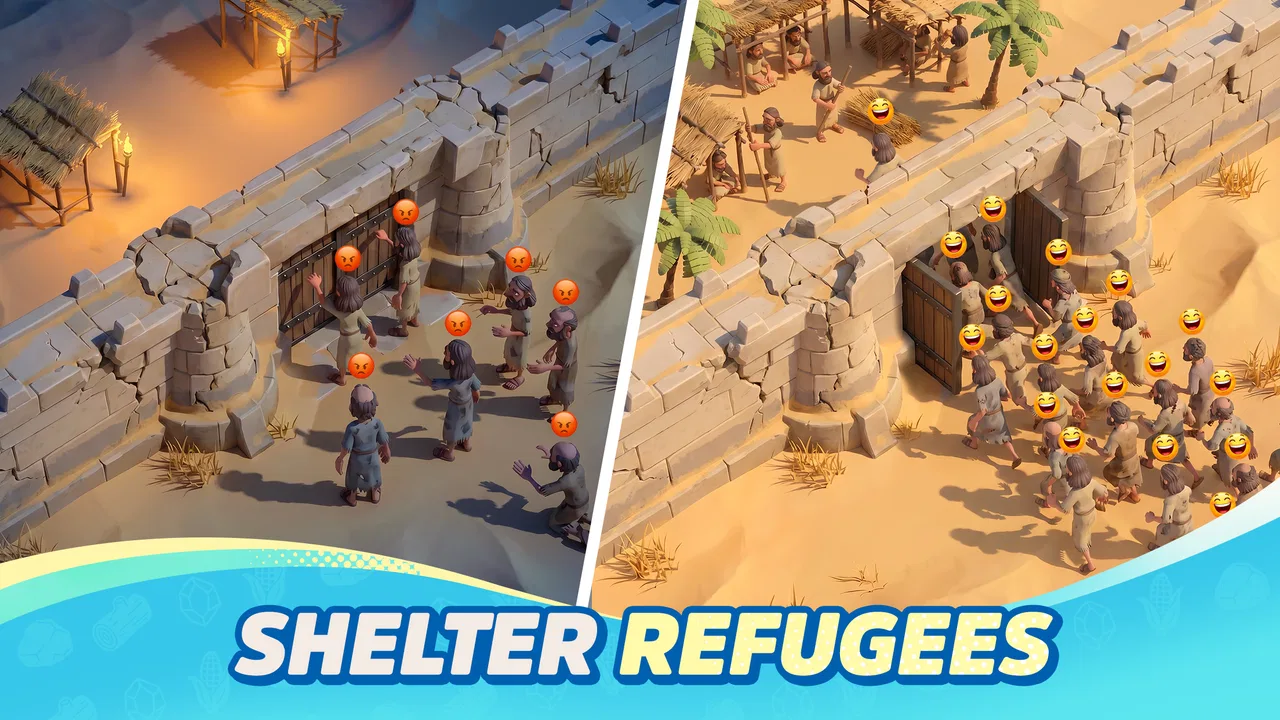
The opening hours are fairly approachable because the game introduces its main activities gradually. I learned the basic rhythm through short decisions: improve a building, select research, train units, and send commanders or troops toward the next objective. The interface contains plenty of information, but the early guidance helps me understand what each screen is for before the wider strategic choices become more demanding.
Exploration is important to the feeling of progress. The map is not just a background for the city; it gives me reasons to move outward, inspect nearby areas, and think about where my next actions fit. I prefer this to a strategy game that keeps everything inside a menu because movement creates a sense of place. At the same time, a large map can make the game feel busy, especially when I am trying to remember several objectives at once.
My most useful baseline workflow is to separate urgent actions from long-term actions. Training and building choices affect what I can do soon, while research and civilization development shape the account over a much longer period. I try not to spend every resource immediately just because it is available. Keeping a reserve gives me room to respond when a new task, upgrade, or opportunity appears.
This approach also answers an important question for new players: do you need to play constantly? I did not find that every visit had to be long. A short check can be worthwhile if it keeps construction, research, and training active. However, the game is clearly better suited to someone who enjoys returning regularly than to someone who wants a complete strategy experience in one uninterrupted sitting.
Choosing a civilization without overthinking the first decision
The civilization choice feels significant because it gives the early game a direction, but I would not treat the opening selection as a permanent test of strategic intelligence. New players can spend too much time trying to identify the perfect option before they understand their own play style. I found it more useful to choose a starting identity that supports the kind of progress I enjoy, then learn how its advantages affect my routine.
If you like steady development, focus on actions that make the city more reliable before chasing every available objective. If you prefer map activity, organize your forces and movement around exploration rather than allowing the city to absorb all your attention. The important lesson is consistency. A choice becomes valuable when it matches the way you actually play, not when it looks impressive in isolation.
I also recommend resisting the urge to copy an advanced player’s priorities too early. Experienced players often optimize around goals that are irrelevant to a beginner with limited resources. Watching how they organize decisions can help, but your first job is to learn which activities consume time, which ones compete for resources, and which improvements make future sessions easier.
Settings and interface habits that reduce friction
The most useful “settings” work in this game is really about checking the interface and making the information serve you. I pay attention to notification behavior, visual prompts, and the way active tasks are displayed, because missed completion points are more damaging than a slightly imperfect strategic choice. If a reminder distracts you from everything else on your phone, reduce unnecessary alerts; if you often forget long activities, keep the reminders that help you return at the right time.
I also spend a moment learning where the game places active timers, available upgrades, and map information. That sounds basic, but it saves repeated tapping. A player who knows how to reach the relevant screen quickly can make a short visit productive without turning the game into a constant background obligation.
Another helpful habit is to inspect a building or research option before committing resources. I look at what the upgrade improves and whether it supports my immediate plan. This prevents me from upgrading simply because a button is available. In a game with several parallel development paths, the best choice is often the one that removes a bottleneck, not the one with the largest-looking number.
For people wondering whether the game is comfortable on an older device, the listed minimum operating system is Android 5.1. That tells me the software is designed to support a broad range of Android users, but practical comfort can still depend on the phone, screen size, and how much map activity is happening. I would keep the device updated and make sure there is enough free space before committing to long sessions.
Repeatable patterns that make progress feel faster
The fastest pattern I found was not frantic tapping. It was batching. I group related actions so that one visit has a clear purpose: city development, research planning, troop preparation, or map activity. This reduces the mental cost of switching between screens and makes it easier to notice what is actually slowing progress.
For example, when I have a longer break coming up, I begin the activity with the longest sensible timer rather than choosing something that will finish while I am unavailable. When I expect to return soon, I select a shorter task that I can follow up on. This small adjustment makes the same resources feel more productive because the schedule matches my real day.
I also try to keep a simple priority order. First I protect activities that require a long wait, then I handle actions that unlock new choices, and only after that do I spend resources on improvements that are convenient but not urgent. This is especially useful when several upgrades look attractive. The strongest account is not necessarily the one with the most activity; it is the one where each action supports the next decision.
Map movement benefits from the same discipline. Before sending forces anywhere, I decide what I want from the trip. Exploration, objectives, and other map tasks can compete for attention, so moving without a purpose creates extra work. I prefer to plan a small route or a short sequence of objectives, then return to the city and reassess. That habit keeps the map from becoming a collection of unfinished intentions.
One non-obvious trade-off is that saving everything can be as unhelpful as spending everything. A reserve is useful, but excessive caution can delay improvements that would increase future efficiency. I ask whether an upgrade will make the next few sessions easier or merely make the current screen look stronger. That question helps me spend with a reason instead of reacting to every available option.
Where the strategy becomes more demanding
As the account develops, the game asks for more than basic timer management. The value of a decision becomes harder to judge because research, buildings, armies, commanders, and map activity influence one another. This is where I started writing down a few priorities mentally instead of relying on whatever prompt appeared next.
Another advanced limit is attention. A player can understand the strategy and still feel overwhelmed by the number of things competing for notice. I found that setting a personal stopping point helps. Once the important actions are running, I do not gain much by opening every screen repeatedly. The game rewards preparation more than constant checking.
Social and competitive elements can also change the experience. Players who enjoy coordination and shared objectives may find the broader world more engaging than a purely solo campaign. People who prefer complete control, quiet progression, or short self-contained matches may find the persistent structure less comfortable. I would decide based on that preference before investing heavily in the game.
Purchases deserve a realistic discussion. The game is free, but its optional in-app purchases range from $0.99 to $499.99 per item. I can play without buying, yet the presence of such a wide purchase range means I would set a personal spending limit before starting. The safest approach is to treat purchases as optional convenience rather than part of the basic plan, especially if you are still learning which resources and upgrades matter to you.
This is also why I would not recommend the game to someone who dislikes waiting or feels pressured by large purchase menus. A traditional premium strategy game may be a better fit if you want to pay once and receive a more self-contained experience. A fast competitive game may suit you better if your ideal session has a clear beginning and end rather than progress that continues between visits.
Who gets the most from this particular game
I think Rise of Kingdoms: Lost Crusade works best for players who enjoy turning small routines into a larger plan. You might like it if checking a city, preparing a research path, and making a careful map decision feels rewarding. It is also a good match for someone who wants a strategy game that can be played in short visits but still offers deeper planning when more time is available.
A realistic everyday scenario would be a player checking in before work or school, starting a long research project and construction task, then returning later to collect results and prepare the next cycle. In the evening, that player might spend more time exploring or arranging forces. The game fits this pattern well because progress is not limited to one long sitting.
I would be more cautious recommending it to someone who wants a purely offline experience, a one-time campaign, or a game with no ongoing resource management. I would also hesitate if the player finds recurring timers irritating or tends to make impulsive purchases when progress slows. Those are not minor details; they shape whether the core loop feels strategic or simply demanding.
Compared with a compact turn-based strategy game, this one offers a broader, more persistent world but less control over the length of every activity. Compared with a city builder, it places more emphasis on forces, movement, and strategic choices beyond the settlement. Compared with a quick real-time battle game, it asks for more preparation and patience. I prefer it when I want a continuing project, but I would choose those alternatives when I want immediate matches or a tightly finished campaign.
Version, longevity, and the final decision
The current version is 1.1.3.22, and the game was released on May 24, 2018. That history matters because this is not a brand-new experiment waiting to prove its basic idea. It has had time to establish a substantial player base, while its long-running structure also means newcomers should expect a mature game with plenty to learn rather than a minimal introduction to strategy.
My strongest advice is to play deliberately during the first stage. Learn the city screens, understand what each timer is doing, and decide which activities fit your schedule. Do not judge the entire game by the first few minutes, but do not assume that deeper complexity will fix a loop you already dislike. The central rhythm remains development, preparation, movement, and return visits.
After using it this way, I see a game with genuine depth but a demanding personality. It rewards repeatable habits, sensible reserves, and the willingness to let plans mature. It is less successful when I treat it like a quick arcade title or chase every prompt without a priority.
My recommendation is simple: try it if you want a long-term mobile strategy project and are comfortable setting your own pace. Skip it if you want instant battles, a fixed campaign, or a completely purchase-free environment. For the right player, the satisfaction comes from seeing a careful routine grow into a capable civilization, and that is where Rise of Kingdoms: Lost Crusade earns its place among mobile strategy games.
FAQs for Rise of Kingdoms: Lost Crusade
01What is the main objective of Rise of Kingdoms: Lost Crusade?
Rise of Kingdoms: Lost Crusade is a strategy game where players build and expand their own kingdom. The main objective is to develop your civilization from a small settlement into a powerful empire by gathering resources, forming alliances, and engaging in battles. Players can choose from various civilizations, each with unique units and abilities, to lead their kingdom to glory.
02Is Rise of Kingdoms: Lost Crusade free to play?
Yes, Rise of Kingdoms: Lost Crusade is free to download and play on both Android and iOS platforms. However, it offers in-app purchases that allow players to buy resources, speed up progress, and acquire exclusive items. These purchases can enhance the gaming experience but are not required to enjoy the game fully.
03What are the key features of Rise of Kingdoms: Lost Crusade?
The game features real-time battles, where you can engage in combat with other players across the world. It also offers a wide selection of civilizations, each with unique leaders and abilities. Additionally, players can explore a vast map, discover hidden treasures, form alliances, and participate in large-scale alliance wars, making it an engaging and dynamic experience.
04Do I need an internet connection to play Rise of Kingdoms: Lost Crusade?
Yes, an internet connection is necessary to play Rise of Kingdoms: Lost Crusade. The game involves real-time interactions with other players, such as trading, chatting, and participating in alliance activities, which require a stable connection. Make sure you have a reliable internet source to enjoy uninterrupted gameplay.
05How can I ensure a good start in Rise of Kingdoms: Lost Crusade?
To have a strong start, focus on resource gathering and upgrading your buildings. Choose a civilization that aligns with your playstyle and utilize its strengths. Join an active alliance to gain support and participate in collective events. Regularly complete quests and objectives to earn rewards, which will help in advancing your kingdom efficiently.
Pros
- Engaging real-time battles.
- Diverse civilization choices.
- Rich world-building and lore.
- Frequent in-game events.
- Collaborative alliances system.
Cons
- Can be time-consuming.
- In-app purchases can be costly.
- Requires constant internet.
- Learning curve for beginners.
- Occasional server issues.

Rise of Kingdoms: Lost Crusade
Gallery